Books about Dyslexia

In The Dyslexic Advantage: Unlocking the Hidden Potential of the Dyslexic Brain, Drs. Brock and Fernette Eide use their combined expertise in neurology and education to show how dyslexic individuals not only perceive written word differently but may also excel in several areas.
In Overcoming Dyslexia, author Dr. Sally Shaywitz demystifies the subject of reading difficulties and discusses early and late diagnosis, why some people can read only very slowly, and what they can do about it.


In The Dyslexia Empowerment Plan: A Blueprint for Renewing Your Child's Confidence and Love of Learning, author Ben Foss discusses how to determine your dyslexic child's individual strengths and harness these skills so they can learn and excel and develop self-confidence.
In Teaching Beyond the Diagnosis: Empowering Students with Dyslexia, author Casey Harrison addresses educators, parents, and administrators, providing a framework for creating dyslexia-friendly classrooms and providing accommodations, which promotes self-confidence and student success.


In Is It Dyslexia?: An At-Home Guide for Screening and Supporting Children Who Struggle to Read, author April McMurtrey delivers a comprehensive, step-by-step process you can apply to screen readers for dyslexia as well as next steps you can take as you move forward with your screening results.
In This is Dyslexia, author Kate Griggs covers everything you need to understand, value, and support dyslexic thinking, from offering practical advice to breaking down the 6 dyslexic thinking skills in adults.


In The Dyslexic Edge: Unleash the Power of Thinking Differently, author Jamie Waller challenges the narrative that views dyslexia as a deficit to success, presenting compelling research to demonstrate quite the opposite by delving into the lives and experiences of some of the best-known dyslexic minds worldwide.
In My Dyslexia, author Philip Schultz traces his difficult childhood where
he was largely ignored by his teachers and not expected to succeed.
Despite that, he became a prize-winning poet by sheer force of determination. It wasn't until later when his oldest son was diagnosed with dyslexia that Schultz realized he suffered from the same condition.


In Normal Sucks, author Jonathan Mooney blends anecdote, expertise, and memoir to present a new mode of thinking about how we live and learn. In this guide and call to action, he explores the toll that our narrow conception of normal takes on kids and adults.
In Fish in a Tree, author Lynda Mullaly Hunt writes an emotionally-charged novel that will speak to anyone who's ever thought there was something wrong with them. "Everybody is smart in different ways. But if you judge a fish by its ability to climb a tree, it will live its life believing it is stupid."


In Wild Things, author Sally Rippin details how we learn to read and what can happen when dyslexia impedes that through sharing her experience as a parent of a late diagnosed dyslexia child.
In Hacking the Code: The Ziggety Zaggety Road of a Dyslexic Kid, author Gea Meijering tells a fun, friendship-centered story that brings to life the journey of a dyslexic kid, showing how every brain works differently and everyone has different strengths. This book is ideal for children ages 6 - 12.


In Spellbound, author Phil Hanley tells his story of struggling in school, getting diagnosed with dyslexia, and his path to become a comedian.
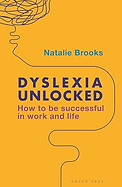
In Dyslexia Unlocked, author Natalie Brooks blends personal and vulnerable anecdotes with some incredibly practical strategies for navigating life as a dyslexic adult.

In Dyslexia Explained, author Jacob Santhouse draws from his personal experience, his clinical practice, and the latest research, and explores how dyslexia affects all aspects of adult life and offers transformative strategies to help.